

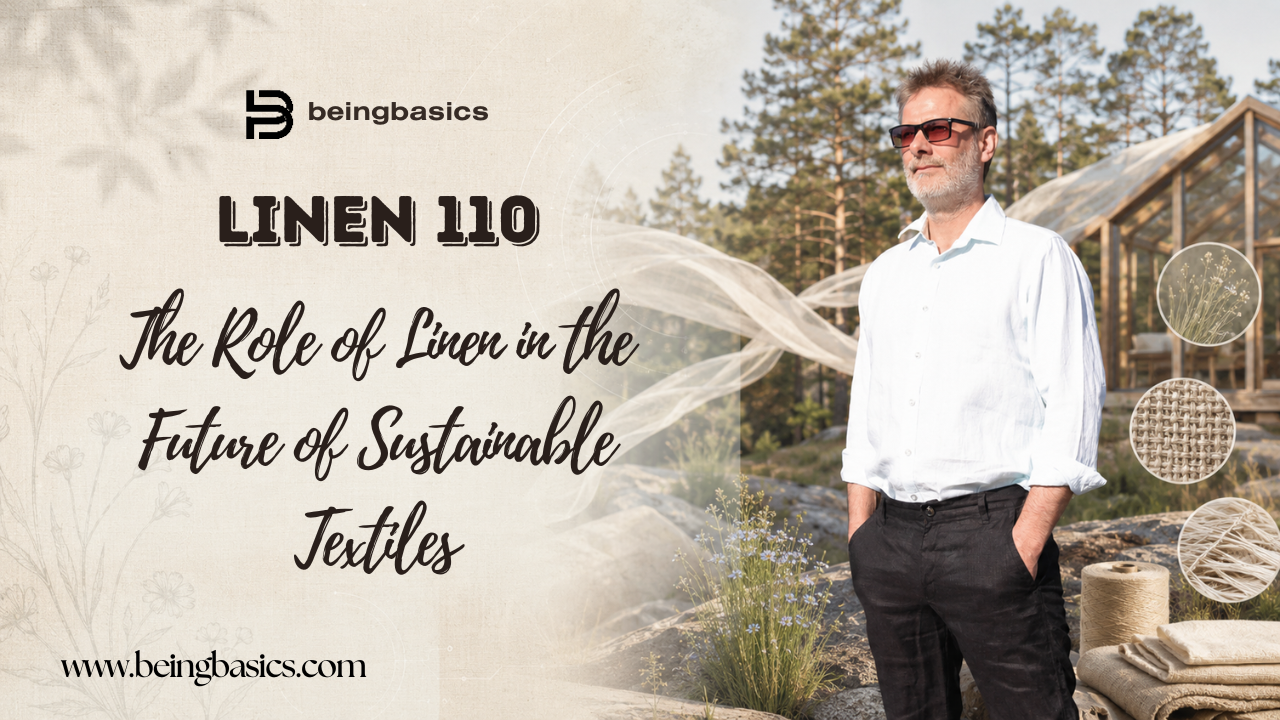
Fashion is moving into a new era. Shoppers want clothes that feel good, look current, and make sense for the planet. That is why linen fabric is no longer just a warm-weather favourite. It is becoming a future of sustainable textiles, circular design, and bio-based textiles.
For climate-aware Gen Z and younger millennial shoppers in Norway, linen fabric offers something rare. It feels natural, wears beautifully, and supports a wardrobe built on fewer better pieces. From sustainable linen clothing to flax fibre innovation, linen is already showing where fashion is heading.

Why Fashion Is Being Pushed Toward Better Materials
The fashion industry is under pressure from every side. Customers are asking harder questions, waste is getting harder to ignore, and regulation is pushing brands toward cleaner systems. Materials now matter more than ever because every garment begins with a fibre choice. Better clothing starts when brands choose fabrics that support longevity, lower impact, and circular fashion materials.
Environmental pressure is changing fashion expectations
Fast fashion made clothing feel disposable. That mindset no longer fits a generation that understands climate anxiety, textile waste, and overconsumption. Shoppers are starting to ask whether a piece deserves space in their wardrobe for years, not weeks. Linen fabric answers that question with quiet strength because it is durable, breathable, plant-based, and naturally timeless.
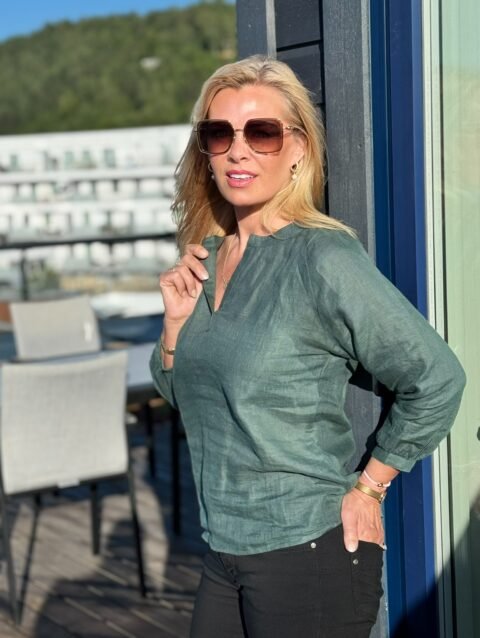
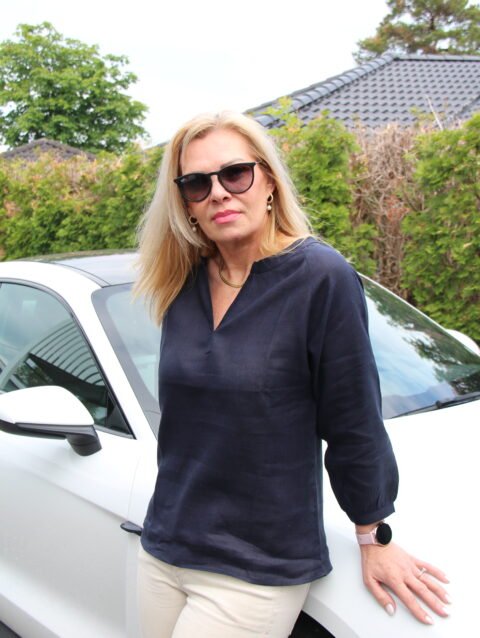
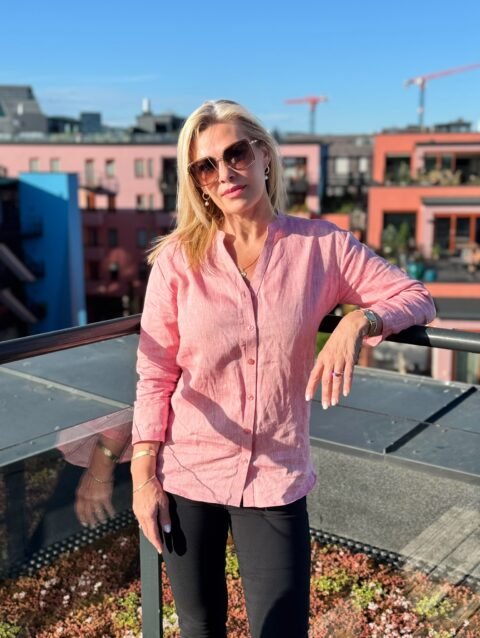
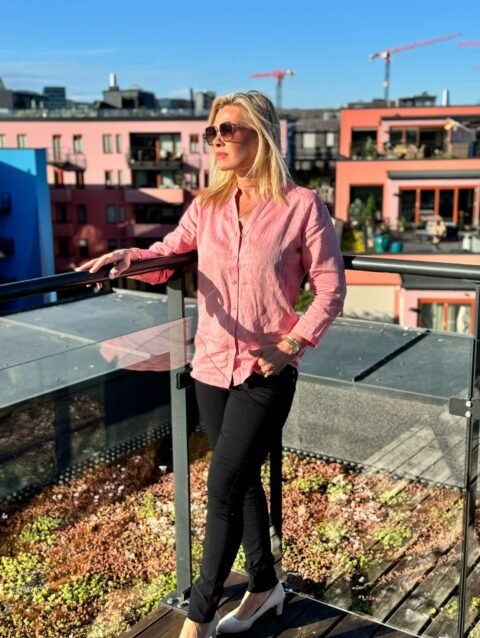
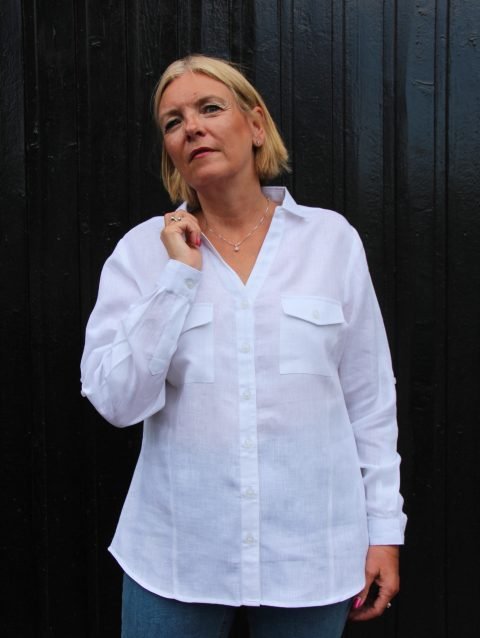
Sustainable linen clothing works because it does not rely on constant trend cycles. A white linen shirt in Norway or linen grey shirt in Norway can work for summer days, layered autumn outfits, relaxed office looks, and weekend plans. That versatility is part of its sustainability story.
Why Natural Fibers Are Gaining Future Value
Natural fibres are returning to the centre of modern fashion because they connect style with responsibility. They are renewable, biodegradable, and easier to understand than many synthetic materials. Flax, the plant behind linen, has a strong advantage because it can create everyday clothing while also supporting future textile innovation across wider industries.
Linen fits the rise of low impact wardrobes
Flax-based fibres are valued because they can support lower-impact production and long-lasting garments. Linen fabric is made from the flax plant, and its natural strength helps clothing stay useful over time. That makes linen especially relevant for shoppers who want fewer pieces with more purpose.
Searches like “linen clothing for women in Norway,” “linen clothes online Norway,” and “best quality linen shirts for women in Norway” show that people want sustainability and style together. Nobody wants eco-friendly linen clothing that feels dull. Linen works because it looks clean, feels elevated, and fits a minimalist linen wardrobe without losing personality.
Linen Innovation Is Moving Beyond Tradition
Linen has history, but its future is not old-fashioned. Designers and material innovators are exploring how flax fibres can work with new blends, bio-based textiles, smart fabrics, performance wear, and technical applications. The exciting part is simple. Linen can live in everyday basics and in advanced material systems at the same time.
Bio based textiles are giving linen a new role
Next-generation materials are not only about futuristic labs. Many of the best ideas come from rethinking natural fibres. Linen fabric can be blended, engineered, or paired with other renewable materials to create textiles that are lighter, more functional, and more circular. This gives organic linen apparel a stronger role in the future of sustainable textiles.
Linen already brings comfort, breathability, and durability. Innovation can push those strengths further into sportswear, smart wearables, and climate-adaptive dressing. Breathable linen outfits, lightweight linen trousers, linen tops women’s styles, and linen pants Norway are not just lifestyle pieces. They are signs of a wardrobe moving toward natural performance.
Circular Fashion Needs Fabrics That Age Well
Circular fashion is not only about recycling later. It starts with choosing garments that people want to wear, repair, repeat, and keep. Linen fits naturally into this system because it is durable, biodegradable, and emotionally easy to live with. A good linen piece feels better over time, which makes it easier to resist throwaway trends.
Linen supports slower buying and longer use
A circular wardrobe depends on products with staying power. Linen fabric gets softer with wear, holds a clean look, and moves easily between casual and polished styling. That makes it easier to keep in rotation, which reduces the urge to constantly replace clothes.
Affordable linen clothing should not mean disposable clothing. It should mean access to better value through pieces that work harder. Customers searching for affordable men’s linen clothes in Norway often want relaxed shirts, breathable trousers, and easy basics that feel responsible without looking overly serious.
Linen supports that shift through
- Timeless styling
- Strong everyday comfort
- Natural end-of-life potential
Linen Beyond Clothing Is Becoming A Bigger Story
Flax fibres are gaining attention outside apparel too. They are being explored in automotive interiors, architecture, composites, home textiles, technical materials, and performance concepts. That wider use matters because it proves linen fabric is not limited to summer shirts. It belongs to a larger movement toward renewable materials across design and industry.
Flax fiber innovation is expanding the future of textiles
The same properties that make linen useful in fashion can also make flax valuable beyond clothing. Natural strength, low weight, breathability, and renewable origin are attractive for industries searching for alternatives to fossil-based materials. That makes flax fibre innovation important for brands, designers, and customers who care about what products are made from.
For shoppers, this gives linen a deeper meaning. Buying linen is not only a style choice. It connects to a wider future where materials need to work smarter across fashion, interiors, sportswear, and technical design. That is why terms like future of sustainable textiles and bio-based textiles in fashion are becoming more relevant.
What Future Customers Will Expect From Linen Brands
Tomorrow’s shopper will expect more than pretty product photos. They will want clear fabric details, honest sustainability language, simple care guidance, and styling ideas that fit real life. Norwegian customers especially value function, comfort, and trust. Linen brands that explain the why behind each piece will feel more relevant than brands that only sell the look.
Search intent is becoming more purposeful
People searching for buy linen shirts online Norway, linen tops online Norway, best online linen store Norway, and linen clothes online Norway are already close to a decision. They want confidence before they buy. Good content should help them understand why linen matters, how to wear it, and how it supports a slower wardrobe.
Seller storytelling should also connect practical design with sustainability. A shirt is not just a shirt when the fabric choice supports comfort, durability, and lower-impact dressing. Linen fabric gives brands a clear story to tell because it brings together natural origin, modern style, and future-ready function.

Conclusion
The future of textiles will be shaped by materials that can do more with less. Linen fabric belongs in that future because it blends natural origin, durability, breathability, biodegradability, and innovation potential. It supports sustainable linen clothing today while also connecting to bio-based textiles, circular fashion materials, and broader flax-based applications tomorrow.
For younger shoppers in Norway, linen is not just a holiday fabric. It is a smarter way to build a wardrobe around comfort, responsibility, and timeless style. BeingBasics sees linen as a future-proof choice for people who want everyday essentials with a lighter footprint and a cleaner design mindset.
Ready to rethink your wardrobe with pieces that feel modern and responsible? Explore BeingBasics for linen essentials made for slower fashion, everyday Norwegian style, and a more sustainable textile future.
Recommended Products
Select options
This product has multiple variants. The options may be chosen on the product page
Select options
This product has multiple variants. The options may be chosen on the product page
Select options
This product has multiple variants. The options may be chosen on the product page
Select options
This product has multiple variants. The options may be chosen on the product page

Select options
This product has multiple variants. The options may be chosen on the product page
Select options
This product has multiple variants. The options may be chosen on the product page