

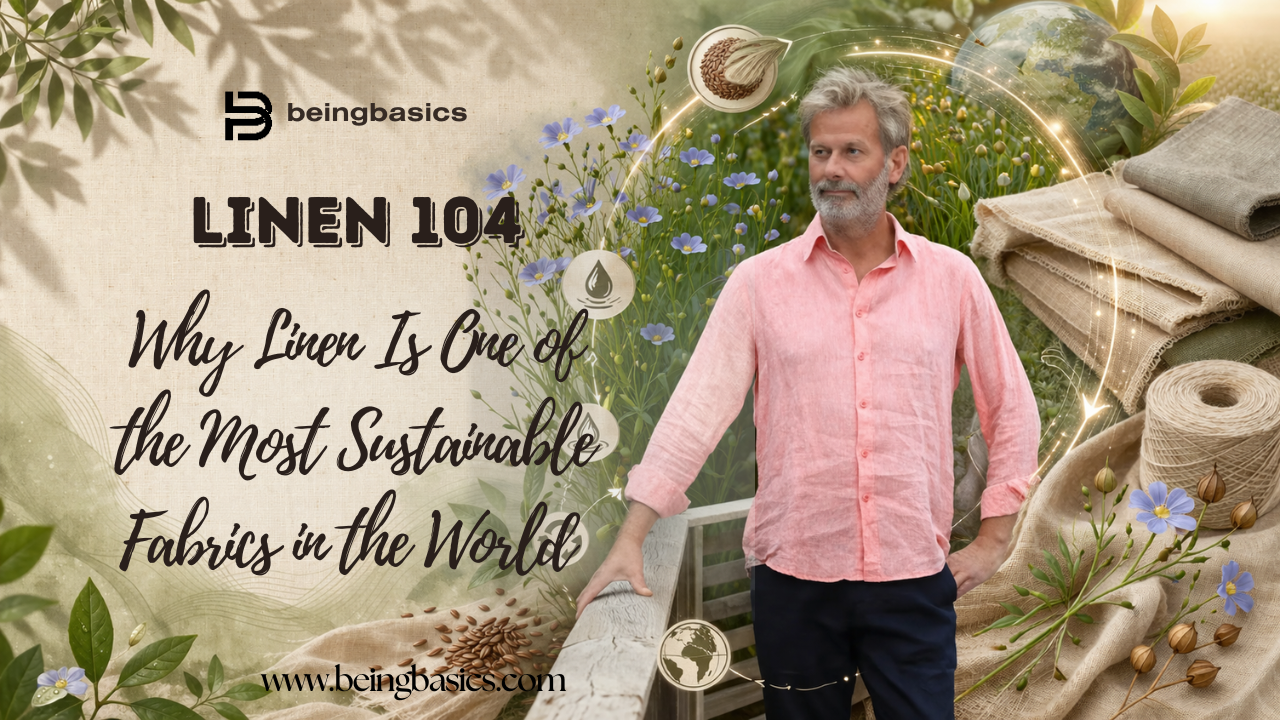
Sustainability has become a central conversation in fashion. Conscious shoppers today want fabrics that feel good, last long, and support the planet. Many consumers researching sustainable fabrics quickly discover that linen stands apart from many other textiles. Flax-based fabrics combine environmental responsibility with timeless style, which explains the rising popularity of eco-friendly linen clothing across Europe.
Curiosity around linen sustainability continues to grow, especially among Gen Z and younger millennials who value responsible fashion choices. Norwegian consumers searching for linen online shopping Norway or exploring Scandinavian linen clothing often want to understand the environmental story behind the material before buying.
This guide explores the environmental reasons why sustainable linen clothing continues to gain attention across the global fashion industry.

Understanding Linen Sustainability and What Makes a Fabric Truly Sustainable
A deeper look at textile sustainability helps explain why linen stands out. Environmental impact in fashion depends on several factors, including resource use, agricultural practices, and product lifespan. Sustainable linen clothing performs strongly across many of these indicators, which makes linen a reliable option for environmentally conscious wardrobes.
True sustainability begins long before a garment appears in a store. Farming practices influence soil health, water consumption, and biodiversity. Manufacturing methods affect energy use and pollution levels. End-of-life disposal also plays an important role because many fabrics remain in landfills for decades.
Several qualities explain the reputation of eco-friendly linen fabric.
- Lower water consumption during crop growth
- Reduced chemical use during farming
- Natural fibre composition without microplastics
- Strong fibres that create durable garments
These advantages contribute to the growing popularity of Norwegian linen clothing, Nordic linen fashion, and other regional linen collections that emphasise responsible materials. Shoppers exploring linen online shopping Norway often search for products that balance sustainability with style.
Understanding these environmental factors helps explain why sustainable linen clothing continues to gain recognition across sustainable fashion discussions.
Linen Begins with the Flax Plant
A natural origin forms the foundation of linen’s sustainability story. Linen fabric comes from the flax plant, a crop cultivated for thousands of years. Flax grows well in cooler climates and has become an important part of European agriculture. Those agricultural roots help explain why sustainable linen clothing carries such strong environmental credentials.
Flax as a Renewable Crop
Flax plants grow annually and regenerate each season through natural planting cycles. Renewable crops like flax allow farmers to produce textile fibres without exhausting land resources. This renewable nature contributes directly to the reputation of linen sustainability.
Flax cultivation also supports regional textile heritage. Many brands promoting Scandinavian linen clothing and Nordic linen fashion highlight flax farming traditions as part of their sustainability story.
Renewable plant fibres form the basis of eco-friendly linen clothing because the material begins with a crop rather than a fossil fuel resource. Sustainable wardrobes benefit from fabrics that originate from nature rather than petroleum.
Natural Bast Fibre Extraction
Fibres used in linen production come from the stem of the flax plant. These fibres belong to a category known as bast fibres. Natural extraction methods separate the fibres through mechanical and biological processes rather than heavy industrial chemistry.
Lower chemical processing contributes strongly to why linen is sustainable. Natural extraction methods support cleaner production systems and help preserve fibre integrity.
Consumers exploring linen shirts men’s Norway, linen pants Norway, or premium quality linen clothing often appreciate knowing that the material begins with a plant based fibre that requires minimal industrial transformation.
Minimal Industrial Processing
Synthetic fabrics require extensive manufacturing steps. Petroleum extraction, polymer processing, and fibre extrusion all demand large amounts of energy. Linen follows a different path because the raw material already exists as a natural fibre.
Mechanical processing transforms flax fibres into yarn while preserving the natural structure of the plant. This simpler production chain contributes to the environmental advantages of eco-friendly linen fabric.
Shoppers interested in men’s linen clothing in Norway often value this natural origin because it aligns with sustainable fashion principles.
Flax Requires Far Less Water Than Other Textile Crops
Water consumption represents one of the most significant environmental challenges in fashion. Many textile crops require heavy irrigation, which places pressure on freshwater systems. Flax cultivation offers a more efficient alternative. Reduced water demand explains one of the major reasons why linen is sustainable.
Rain-Fed Agriculture Supports Linen Sustainability
Flax grows successfully in regions where natural rainfall provides sufficient moisture. European flax farms often rely on seasonal rain rather than artificial irrigation systems. This approach significantly reduces the water footprint of sustainable linen clothing.
Shoppers interested in linen pants Norway or linen shirts men’s Norway often discover that flax farming aligns well with Nordic climates. Cooler temperatures and natural rainfall support responsible linen cultivation.
Lower water demand also reduces energy use because irrigation systems require pumping and infrastructure. Environmental benefits extend throughout the production chain when crops rely primarily on natural rainfall.
Lower Water Footprint Compared With Cotton
Cotton remains one of the most widely used natural fibres in fashion. Cotton farming often requires extensive irrigation depending on the growing region. Flax cultivation generally uses much less water during the agricultural stage.
Lower water consumption strengthens the environmental reputation of sustainable linen clothing. Textile production benefits greatly from crops that require fewer natural resources.
Responsible consumers comparing materials frequently search for linen sustainability benefits or linen vs cotton sustainability when researching fabrics. Linen often emerges as a more environmentally efficient choice.
Fashion brands producing affordable linen clothing Norway and Norwegian linen clothing highlight these advantages when communicating sustainability to customers.
Linen Is a Zero-Waste Crop
Sustainability improves when agricultural systems minimise waste. Flax farming follows this principle because nearly every part of the plant can serve a useful purpose. This efficiency supports circular resource use and reduces environmental impact.
Fibre Used for Textiles
Long flax fibres form the basis of linen yarn and fabric. These fibres create garments known for durability, comfort, and breathability.
Products such as breathable linen outfits, premium quality linen clothing, and best linen trousers in Norway rely on these strong fibres to produce long-lasting garments.
Natural strength and softness make linen a popular material for summer wardrobes and everyday essentials.
Seeds Used for Food and Oil
Flax seeds provide valuable nutritional products. Flaxseed oil and food ingredients come from the same crop used for textile fibres. Agricultural efficiency improves when a single plant supports multiple industries.
Multiple uses reduce waste and improve the sustainability profile of flax cultivation. Resource efficiency contributes to the growing demand for sustainable linen clothing.
Flax Shives Used for Industrial Materials
Inner woody parts of the flax stem known as shives also serve practical uses. These materials appear in several industrial products.
- insulation materials
- animal bedding
- bio-based construction materials
Such uses transform what might otherwise become waste into useful resources. Circular agriculture strengthens the environmental advantages of eco-friendly linen fabric.
Conclusion
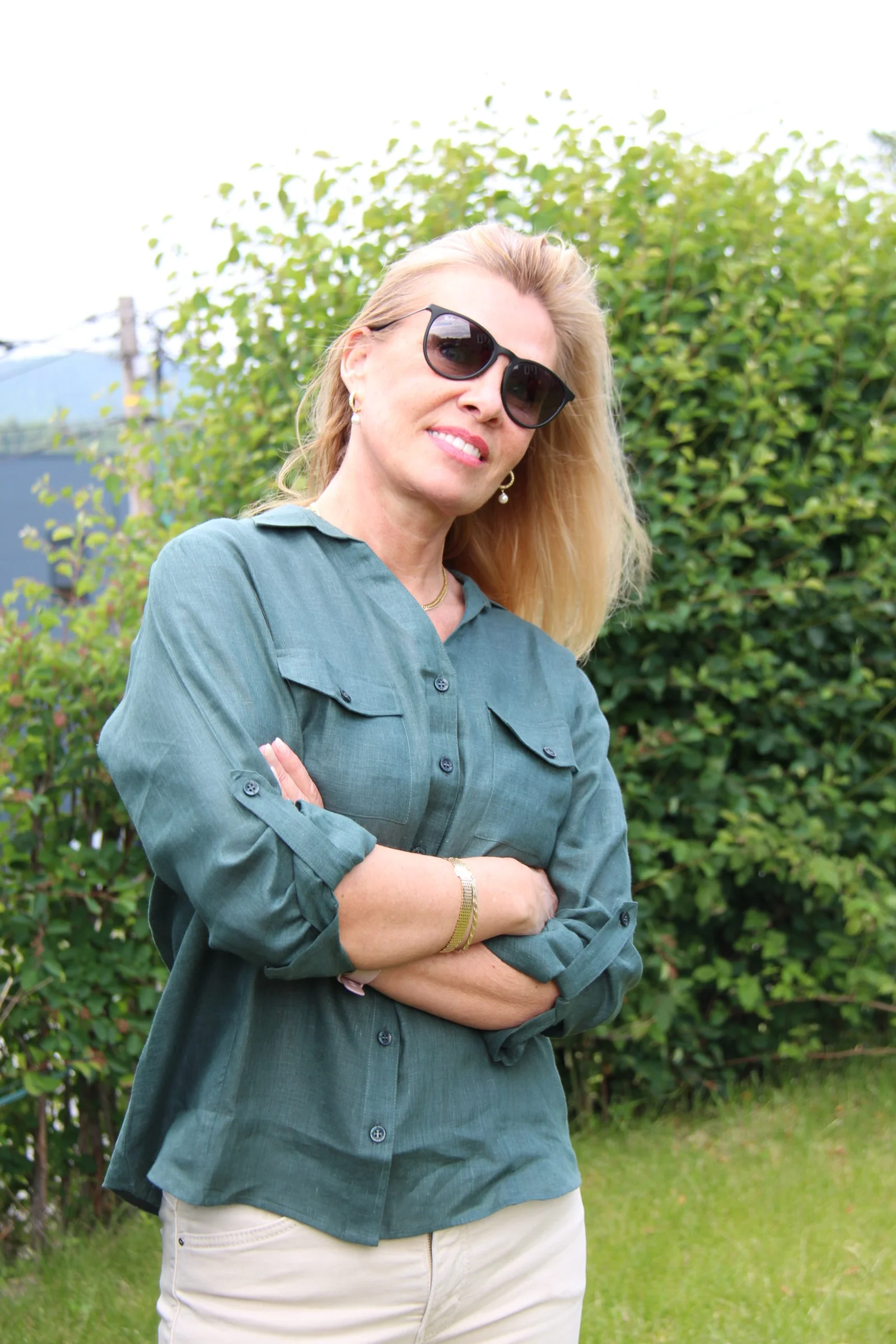
Growing interest in responsible fashion continues to reshape the textile industry. Natural materials that support environmental balance are becoming increasingly important for conscious consumers. Linen stands out because the fibre begins with a renewable plant, uses fewer resources during farming, and creates garments that last for years.
BeingBasics believes that fashion should combine comfort, durability, and environmental responsibility. Thoughtfully designed linen pieces help support wardrobes that look good while respecting the planet.
Recommended Products
Select options
This product has multiple variants. The options may be chosen on the product page

Select options
This product has multiple variants. The options may be chosen on the product page

Select options
This product has multiple variants. The options may be chosen on the product page


Select options
This product has multiple variants. The options may be chosen on the product page


Select options
This product has multiple variants. The options may be chosen on the product page
Select options
This product has multiple variants. The options may be chosen on the product page