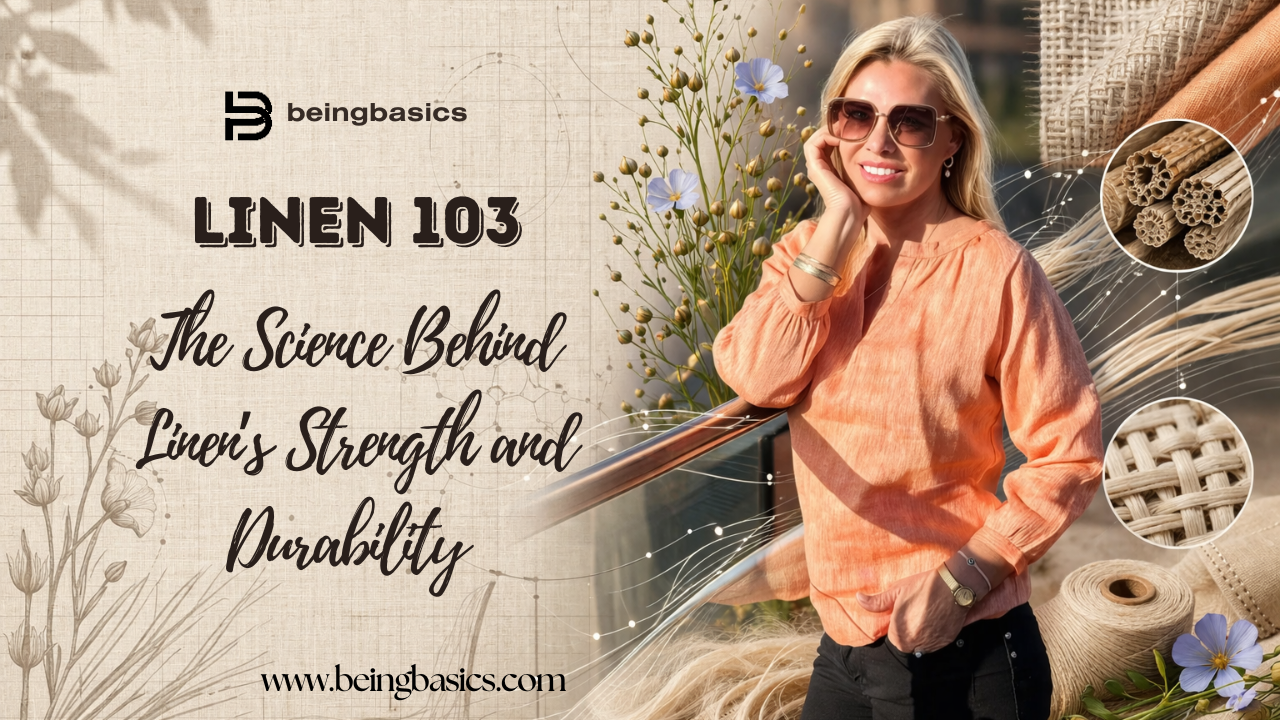
Linen 103: The Science Behind Linen’s Strength and Durability
Linen has earned a reputation that few fabrics can match. Garments made from flax fibres often stay in wardrobes for years while still looking beautiful and feeling comfortable. Many people discover that linen becomes softer with time rather than wearing out quickly. That experience leads many curious shoppers to ask an important question. What actually makes linen so strong and durable?
Shoppers across Norway who explore linen online shopping Norway often look for fabrics that balance comfort, breathability, and longevity. Linen delivers on all three. Understanding why linen is durable helps buyers make smarter decisions when choosing premium quality linen clothing, whether that means relaxed summer shirts or the best linen trousers in Norway for everyday wear.
This article explores the science behind linen durability, from the plant fibres themselves to the molecular structure that keeps linen fabrics strong even after years of wear.

Why Linen’s Strength and Durability Matter in Slow Fashion
Fashion choices today reflect more than style. Sustainability, durability, and long-term value shape how many people build their wardrobes. Linen has become a key fabric in the world of Nordic linen fashion because it aligns perfectly with these priorities.
Slow fashion encourages fewer purchases and longer garment lifespans. Linen supports this mindset through remarkable linen’s strength. Fibres from the flax plant naturally resist damage, which means linen garments handle everyday wear with ease. A linen shirt, a pair of linen pants Norway, or a relaxed summer outfit often stays functional and stylish through many seasons.
Many shoppers researching Norwegian linen clothing ask about fabric strength before purchasing. A strong fibre structure ensures that garments keep their shape, maintain their texture, and resist everyday wear. Understanding the science behind linen strength reveals why linen continues to thrive as a cornerstone of sustainable wardrobes.
The Fibre Structure of Linen
Linen begins its journey inside the flax plant. The fibres used in textile production grow within the stem of the plant, where they act as structural support. That natural design already prepares flax fibres for strength and durability before they even reach the spinning stage.
Bast Fibre Structure Inside the Flax Plant
Flax fibres belong to a category known as ‘bast fibres’. Those fibres develop within the inner bark of the plant stem, where they form bundles that help the plant stand upright. Nature essentially designed flax fibres to handle tension and environmental stress.
Bundles of flax fibres align along the stem. Each bundle contains long cells that run parallel to each other. That structure creates natural reinforcement within the plant. Textile producers extract those fibres and spin them into yarn.
Several features of bast fibres support strong fabrics.
- Long continuous fibre strands reduce weak points in yarn
- Natural fibre bundles create reinforcement
- Smooth surfaces improve spinning stability
These characteristics contribute directly to linen fibre structure and explain much of linen’s reputation for durability. Designers working with Scandinavian linen clothing value these natural strengths when creating garments meant to last.
Fibre Length Compared to Cotton
Fibre length plays a crucial role in textile durability. Flax fibres grow longer than many other natural fibres. Longer fibres allow yarns to twist together smoothly with fewer interruptions.
Flax fibres form yarns with stronger internal cohesion. Long strands lock together during spinning, which increases the stability of the final fabric. Garments such as linen shirts men’s Norway or relaxed summer tops benefit from this structure.
Several advantages come from longer fibres.
- Greater resistance to tearing
- Fewer break points within yarn
- Better shape retention over time
These qualities explain why linen durability stands out when compared with many other natural fabrics.
Natural Cellular Composition of Linen Fibres
Flax fibres consist of elongated plant cells with thick outer walls. Those walls contain cellulose layers arranged in highly organised patterns. This cellular architecture acts like a natural reinforcement system.
Brands offering men’s linen clothing in Norway often highlight these qualities, as strong fibres help garments maintain their shape even after repeated washing and wear.
A strong linen fibre structure creates the foundation for durable textiles. That biological design continues to support linen garments long after the fibres leave the field and become clothing.
Why Linen Gets Stronger When Wet
A surprising property sets linen apart from many other fabrics. Moisture actually enhances linen strength rather than weakening it. That unusual behaviour results from the way water interacts with cellulose molecules inside flax fibres.
Water molecules attach to the surface of cellulose chains. Interaction strengthens hydrogen bonding between those chains. Stronger bonding helps stabilise the internal structure of the fibre. Fibres remain intact even during washing cycles that would weaken other fabrics.
Garments made from Norwegian linen clothing collections benefit from this property in several ways.
- Frequent washing does not weaken fibres
- Fabric structure remains stable
- Garments maintain their natural texture
Consumers who choose premium quality linen clothing often notice that their garments become softer after each wash while still retaining strong fibres. That combination of comfort and durability reinforces the linen’s reputation as a long-lasting textile.
Fibre Geometry and Durability
Fibre geometry plays a crucial role in how linen fabrics respond to stress and movement. Flax fibres contain natural nodes along their length, which give the fibre a slightly segmented appearance. Those nodes allow fibres to bend gently rather than snap under pressure.
Long fibres further enhance durability. Yarn spun from flax contains fewer loose ends. Smooth yarn surfaces reduce friction within the fabric. Less friction means less fibre breakage over time.
Several structural features contribute to linen strength.
- Long continuous fibres support strong yarn.
- Natural nodes allow flexibility.
- Smooth fibre surfaces reduce abrasion.
Designers creating Scandinavian linen clothing appreciate this balance of strength and flexibility. Linen fabrics hold their structure yet remain comfortable for everyday wear.
Why Linen Garments Last Decades
Durability in linen garments results from the combined effects of fibre structure, molecular bonding, and moisture stability. Each element contributes to the overall resilience of linen fabrics. Garments maintain their integrity even after repeated wear and washing.
Softening over time adds another advantage. Linen fibres gradually relax with use, which creates a smoother texture without damaging the fibre core. Many people discover that their favourite linen shirt or pair of best linen trousers in Norway becomes more comfortable each year.
Durability also supports sustainable fashion choices. Consumers searching for affordable linen clothing Norway often discover that long garment lifespans reduce overall clothing costs. Investing in premium quality linen clothing means buying fewer replacements.

Conclusion
Linen continues to stand out as one of the most durable natural fabrics available. Strong flax fibres, organised cellulose structures, and unique moisture behaviour all contribute to remarkable linen strength. These scientific qualities explain why linen garments remain comfortable and reliable for years.
Durability also supports sustainable fashion values. Fewer replacements mean less waste and more thoughtful wardrobes. Many shoppers today look for premium quality linen clothing because long-lasting fabrics make fashion more responsible and practical.
Choosing premium quality linen clothing means investing in garments that improve with time. Linen pieces soften while maintaining their structural integrity, which makes them ideal for everyday wear and seasonal wardrobes. This combination of comfort, strength, and breathability continues to shape modern Nordic linen fashion.
Choose smarter fashion with BeingBasics. Browse premium quality linen clothing designed for durability, comfort, and modern Nordic linen fashion.
FAQs – Linen’s Strength and Durability
Why does linen clothing last so long
Strong flax fibres create durable yarn and fabric structures. Organised cellulose molecules and flexible fibre geometry help garments resist wear. These qualities explain why many consumers prefer premium quality linen clothing for long-term wardrobe investments.
Why is linen stronger than many other natural fabrics
Flax fibres contain highly aligned cellulose chains connected through strong hydrogen bonding. This structure supports impressive fibre durability and explains why premium quality linen clothing maintains its shape and strength over time.
Does linen become weaker after washing
Linen behaves differently from many fabrics. Moisture actually supports fibre stability, which allows garments to maintain their integrity. That property helps premium quality linen clothing remain reliable through frequent washing.
Why are breathable linen outfits popular in Norway
Linen allows air circulation and moisture movement, which keeps garments comfortable during warmer weather. These qualities make premium quality linen clothing a key part of Scandinavian summer wardrobes.
Is linen worth investing in for long-term wear?
Yes. Linen offers durability, breathability, and long garment life. Many people choose premium quality linen clothing because it supports slow fashion and provides dependable style that lasts for years.